The environment surrounding us exerts a profound, often subconscious influence over our mental clarity, emotional state, and ability to generate fresh ideas. When a physical room is thoughtfully curated, it acts as an invisible catalyst for original thought, lifting cognitive fatigue and inviting curiosity into the daily routine. Visual details, ranging from the temperature of the illumination to the tactile variation of surface materials, send continuous signals to the brain. These sensory cues determine whether a space feels restrictive or liberating.
Establishing an inspiring atmosphere requires moving beyond sheer utility to embrace a deeper harmony between aesthetics, memory, and spatial function. Every object positioned within a room carries a subtle narrative that speaks to our subconscious mind throughout the workday. When an environment feels flat or cluttered, the mind often absorbs that chaos, resulting in fragmented focus and creative exhaustion. The goal is to build an ecosystem where inspiration isn’t an occasional visitor but a reliable byproduct of stepping through the door.
1. Harnessing Architectural Elements to Anchor Imagination
The foundational architecture of a room sets the initial tone for all artistic work that occurs within it. Exposing original structural features or introducing raw, authentic materials brings a grounded sense of history and depth to an open workspace. Incorporating natural timber finishes, like weathered timber paneling or furniture constructed from recycled wood pallets, establishes an organic backdrop that balances modern technology with warmth.
- Exposed wooden beams create a sense of height and vertical openness.
- Reclaimed structural elements connect modern spaces to timeless craftsmanship.
- Natural wood grain reduces visual strain during long stretches of focus.
When raw architectural details are paired with clean lines and organized layouts, they foster a grounded focus. The tactile texture of salvaged timber reminds us that beauty often emerges from imperfection, encouraging a looser, more exploratory approach to problem solving. Surrounding yourself with materials that have lived a previous life invites a deeper appreciation for process, iteration, and transformation across every project you undertake.
2. Weaving Tactile Comfort and Grounding Patterns into the Floor Plan
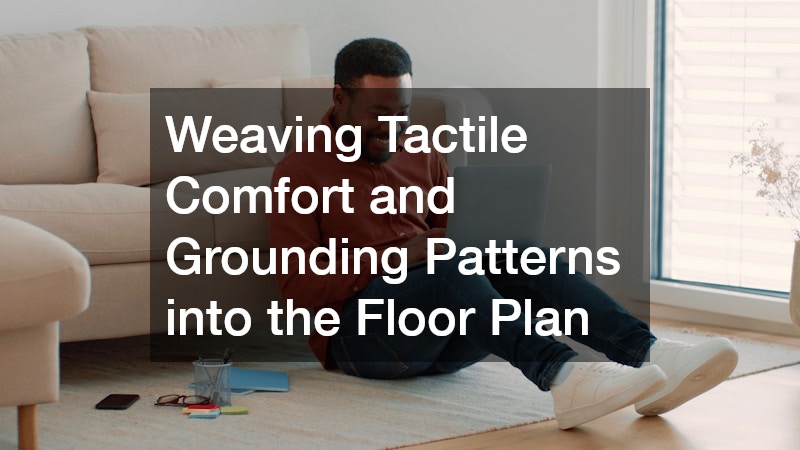
Sensory inputs beneath our feet play a surprisingly large role in how relaxed and present we feel within a dedicated studio environment. Hard surfaces can sometimes feel cold or unwelcoming over long working hours, which rapidly drains emotional and physical energy. Introducing rich floor coverings, such as a thick handmade rug, adds immediate warmth, absorbs harsh echo, and visually defines dedicated zones for ideation and execution.
- Plush floor textiles soften acoustic reflections for better sound quality.
- Intricate traditional patterns give resting eyes a rich visual anchor.
- Defined floor zones establish clear mental boundaries between work and rest.
The gentle interplay of soft fiber against hard flooring balances the sensory equation of the room. When your eyes drift downward during a pause in thought, encountering complex woven patterns can spark subtle associations and subconscious ideas. By intentionally softening the visual and physical foundation of your creative space, you establish an inviting environment where long hours of deep concentration feel effortless, comfortable, and deeply restorative.
3. Elevating Ambient Lighting to Shift Mental Focus and Mood
Illumination defines the emotional atmosphere of any room, dictating whether a space feels energizing, cozy, or sterile. Relying solely on overhead fluorescent light flatters no one and can cause severe cognitive fatigue, while layered lighting creates depth and mood. Incorporating playful, glowing elements like festive Christmas lighting along shelves or window frames introduces a warm, magical quality that instantly elevates the mood during evening sessions.
- Strands of soft glowing bulbs add whimsical charm to dark corners.
- Adjustable accent lamps allow custom control over focus and relaxation zones.
- Warm color temperatures encourage relaxed, low-stress artistic exploration.
Lifting the ambient quality of a studio transforms mundane routine into a special event. Dimmer, warmer lighting sources help lower internal stress levels and disarm the critical mind, making it far easier to experiment without fear of failure. When twilight arrives, turning on soft accent strands shifts your workspace from a high-pressure production area into an intimate sanctuary designed purely for imaginative exploration and original thought.
4. Cultivating Historical Depth and Sculptural Elegance

Surrounding yourself with three-dimensional objects introduces an element of physical presence that flat screens and prints simply cannot replicate. Sculptures, classical busts, and architectural fragments bring a timeless dignity to shelves and desks, reminding us of human ingenuity across centuries. Observing the delicate, painstaking effort behind antique statue restoration inspires a deep respect for patience, detail, and heritage in your own modern projects.
- Sculptural artifacts encourage a multi-dimensional view of form and space.
- Time-tested classical art pieces lend a sense of permanence and purpose.
- Tactile surface variations highlight the interplay of natural light and shadow.
Exhibiting art historical references within your daily view provides an enduring benchmark for quality and craft. These sculptural forms catch natural daylight in shifting ways throughout the afternoon, constantly changing the visual atmosphere of the room. By anchoring your modern workspace with physical symbols of historic artistry, you establish a bridge between classical tradition and contemporary innovation, elevating the overall ambition of your work.
5. Embracing Industrial Textures for Bold Visual Contrast
A truly captivating studio avoids visual monotony by pairing delicate accents with rugged, high-contrast surfaces. The contrast between rough industrial textures and smooth refined finishes adds dynamic energy that keeps the mind alert and engaged. Utilizing exposed brick, matte metals, or surfaces cleaned with a heavy sandblaster creates a striking backdrop that celebrates raw power and structural honesty.
- Distressed metal fixtures provide a bold, modern edge to soft interiors.
- Textured wall surfaces add depth that reacts dynamically to directional light.
- Industrial components evoke a hardworking, workshop-style creative attitude.
Exposing raw building materials strips away superficial pretense and encourages an authentic, roll-up-your-sleeves work ethic. When an environment feels sturdy and unpretentious, you feel more comfortable making a mess, testing wild concepts, and pushing past safe boundaries. Combining industrial grit with refined comfort creates a balanced ecosystem where bold experimentation can flourish without inhibition or fear.
6. Balancing Spatial Flow and Open Horizons for Mental Clarity
The spatial arrangement of furniture dictates movement and cognitive freedom within a room, influencing how smoothly ideas move from concept to reality. Clearing central pathways and positioning desks toward natural light opens up visual horizons, preventing the feeling of mental confinement. A well-organized room with distinct functional zones allows the mind to transition effortlessly between intensive execution and quiet reflection.
- Open floor space encourages movement, pacing, and physical flexibility.
- Direct sightlines to windows provide natural micro-breaks for tired eyes.
- Clutter-free surfaces eliminate subconscious visual distractions during deep work.
Intentionally leaving empty space within a studio is just as critical as selecting the objects that fill it. Blank wall areas and clear tables give ideas room to breathe, preventing sensory overload and cognitive paralysis. By mastering spatial flow, you build a serene, adaptable atmosphere where fresh concepts can emerge naturally without competing against physical or mental clutter.
7. Integrating Expressive Fabrics and Textile Artistry

Fabrics bring soft movement, vibrant color, and rich tactile variation to any room, counteracting the rigid lines of desks and computers. Draping custom textiles, hanging woven tapestries, or keeping an active sewing machine set up on a craft table signals that the space is dedicated to active, hands-on creation. The rhythmic beauty of stitched seams and layered fabrics adds a human, handcrafted touch to modern working spaces.
- Wall tapestries break up flat drywall with rich texture and color.
- Exposed craft tools invite spontaneous, hands-on making throughout the day.
- Custom textile accents bring unique personality and warmth to office seating.
Integrating textile elements invites a tactile connection that engages the sense of touch as much as the sense of sight. Seeing raw materials waiting to be transformed keeps the spirit of curiosity alive, reminding you that great work is constructed piece by piece. Surrounding yourself with soft arts and crafting tools fosters an environment where abstract thoughts easily translate into tangible, physical form.
8. Layering Color Theory and Dynamic Brushwork into Walls
Color is one of the most immediate tools for altering human psychology, energy levels, and focus within a room. Strategic paint choices can transform a dull box into a dynamic sanctuary that actively supports concentration or fires up imagination. Studying how professional painters mix harmonious palettes and apply expressive brushwork offers valuable insight into organizing your own visual environment for maximum emotional impact.
- Accent walls in deep jewel tones promote quiet, inward concentration.
- Energetic warm colors along entryways create an inviting, enthusiastic arrival.
- Subtle color transitions between zones visually organize distinct work activities.
Carefully chosen hues set an intentional emotional background for everything you accomplish within those four walls. Surrounding yourself with harmonious color combinations creates a rich visual rhythm that gently stimulates the brain without causing fatigue. Whether you prefer moody, contemplative tones or bright, energetic washes, mastering your room’s palette ensures your studio actively supports your mental state.
9. Upcycling Vintage Elements for Authentic Narrative and Charm
Objects that carry history and character introduce an authentic, soulful vibe that brand-new, mass-produced items cannot match. Incorporating repurposed treasures, vintage furniture, or reimagined accents made from used clothing brings a warm, storied aesthetic to modern workspaces. These unique pieces serve as constant reminders that creative expression often involves looking at familiar objects through a fresh, inventive lens.
- Repurposed vintage furniture adds singular character and historical context.
- Upcycled fabric items turn discarded materials into memorable art pieces.
- Eclectic object collections break up predictable, corporate design styles.
Decorating with upcycled elements encourages a resourceful, imaginative mindset across all endeavors. When you see how old materials can be granted a vibrant second life, it subtly trains your brain to find value, beauty, and novel connections in unexpected places. This sustainable approach to spatial design creates a deeply personal environment that reflects your individual journey and artistic values.
10. Curating Youthful Artistic Passion and Uninhibited Exploration
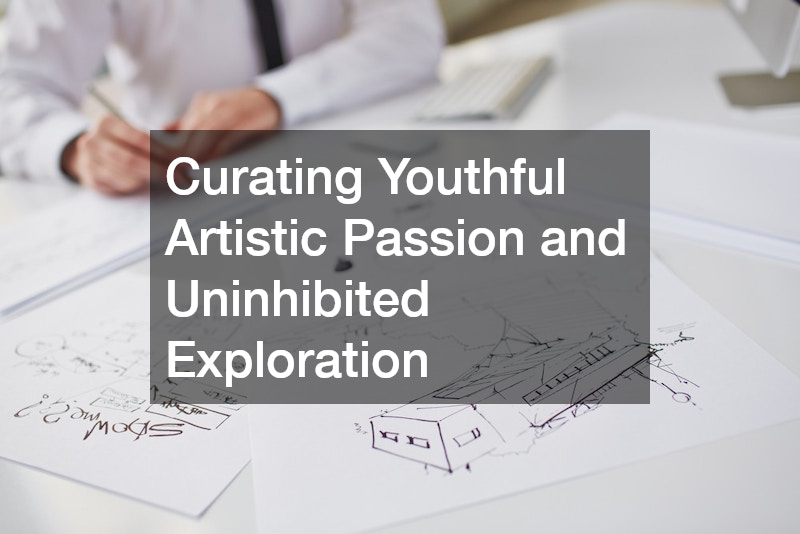
Maintaining a fresh, curious mindset requires surrounding yourself with reminder pieces that embody pure, playful experimentation. Displaying raw sketches, experimental studies, and bold works reminiscent of the freedom found in an art high school keeps your environment from feeling overly precious or rigid. Displaying work-in-progress alongside finished pieces celebrates the journey of growth and continuous learning.
- Displaying raw sketches honors the beauty and importance of the draft process.
- Rotating artwork regularly keeps the visual environment feeling fresh and alive.
- Playful visual experiments remind creators not to take themselves too seriously.
Embracing an informal, gallery-style approach to your walls encourages a relaxed attitude toward creative risks. When your workspace reflects the energetic, boundary-pushing atmosphere of a learning studio, perfectionism dissolves, making room for true innovation. Surrounding yourself with vibrant, uninhibited art keeps your creative spirit youthful, brave, and endlessly curious.
11. Prioritizing Self-Care, Rest, and Rejuvenation within the Studio
A space designed for long-term inspiration must prioritize the physical and mental well-being of the creator using it. Creative energy cannot flow from an exhausted body, making it essential to integrate comfortable seating, air-purifying plants, and dedicated relaxation zones into your room layout. Taking cues from the soothing, sensory-focused environment created by a professional esthetician, your workspace should offer a calming escape that restores your focus between intense work sprints.
- Ergonomic furniture supports healthy posture during long hours of intense focus.
- Living plants improve indoor air quality while adding vibrant natural green tones.
- Dedicated rest corners encourage mindful breaks away from digital screens.
Nurturing your physical body directly fuels your mental output and artistic longevity. Designing a studio that balances high-intensity work zones with soothing, restorative spaces ensures you maintain a sustainable creative flow without burning out. When your environment honors both hard work and deep rest, it becomes a true sanctuary that elevates your mind, body, and creative spirit for years to come.
Inspiration is rarely a matter of random luck; more often, it’s the direct result of entering an environment specifically designed to spark curiosity and disarm mental fatigue. Balancing rugged industrial textures with soft woven textiles, classical historical art with youthful experimental sketches, and focused work zones with restorative rest areas builds a rich sensory tapestry. This harmonious blend of visual contrast keeps the mind sharp, engaged, and eager to solve complex problems.
Ultimately, your creative space should be a flexible, evolving sanctuary that grows alongside your artistic journey. Don’t be afraid to experiment with unusual layouts, rearrange wall galleries, or introduce unexpected materials that challenge your visual baseline. Embrace the process of spatial design as an ongoing creative project in itself, and enjoy the profound transformation that occurs when your physical environment truly aligns with your creative spirit.